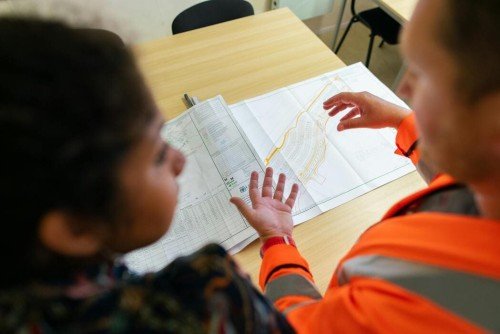
Clear, precise documentation can make or break a construction loan. From initial proposals to final draw requests, every figure, description, and clause must be accurate and easy to understand. Lenders scrutinize these documents to assess risk, compliance, and overall project feasibility, so even minor errors can cause delays, additional costs, or outright refusals.
That’s why many developers, contractors, and financial professionals rely on professional proofreading and editing services to sharpen their loan packages. Polished documents help present your project as low-risk, well-organized, and financially sound – exactly what underwriters and lending committees want to see.
Main Research
1. Prevent Costly Numerical Errors in Budgets and Schedules
Construction loans revolve around numbers: land costs, materials, labor, contingency, interest reserves, and detailed draw schedules. A single misplaced zero or transposed digit can drastically distort your projected costs or timelines. Lenders will catch inconsistencies, and when they do, they may question your competence and risk controls.
A thorough review ensures that:
- Budget subtotals and totals add up correctly.
- Unit costs are consistent across all documents.
- Draw schedules align with the construction timeline.
- Interest and contingency calculations match lender requirements.
Accurate numbers strengthen your credibility, reduce back-and-forth with lenders, and help you avoid embarrassing corrections at the underwriting stage.
2. Eliminate Ambiguous Scope Descriptions
Ambiguity in project scope leads to disputes, delays, and change orders – all of which increase risk for lenders. Vague terms such as “high-quality finishes” or “standard fixtures” can be interpreted differently by owners, contractors, and inspectors. Lenders want documentation that clearly defines what will be built, how, and with what materials.
Effective editing helps you:
- Replace vague phrases with precise specifications.
- Standardize terminology across architectural, engineering, and financial documents.
- Clarify deliverables, milestones, and acceptance criteria.
- Align written descriptions with drawings and technical schedules.
The more precise your language, the easier it is for lenders to assess feasibility and risk – and the more confident they will be in approving funding.
3. Improve Compliance With Lending and Regulatory Requirements
Construction loans must meet numerous regulatory, zoning, and internal lending guidelines. Incomplete or inconsistent wording can create compliance red flags, requiring revisions and resubmissions. Underwriters, legal teams, and auditors look for clear evidence that the project meets all necessary standards.
Professional review supports compliance by:
- Ensuring all required disclosures and clauses are present and consistent.
- Checking that project descriptions align with permits and zoning approvals.
- Highlighting discrepancies between legal agreements and technical documents.
- Standardizing terminology in risk disclosures and covenants.
Well-structured, compliant narratives reduce the chance of late-stage legal objections or regulatory questions that could derail funding.
4. Strengthen Risk Management Narratives
Lenders expect borrowers to identify and mitigate potential risks: cost overruns, schedule slippage, supply chain issues, and environmental or regulatory challenges. Weak, poorly written risk sections suggest the team hasn’t fully thought through project contingencies.
Careful editing can transform fragmented or generic risk sections into compelling, lender-focused content that:
- Clearly identifies key risks specific to the project and location.
- Explains mitigation strategies in practical, measurable terms.
- Aligns risk discussions with budget contingencies and insurance coverage.
- Uses concise language that underwriters can quickly evaluate.
A persuasive risk narrative shows lenders you understand the challenges ahead and have concrete plans to manage them.
5. Present a Professional, Credible Image to Lenders
Construction is a high-stakes industry, and lenders gravitate toward borrowers who appear organized, detail-oriented, and reliable. Sloppy writing, inconsistent formatting, and grammatical errors can undermine that image, even if the underlying project is strong.
Polished documents help you:
- Project professionalism consistent with large-scale financial commitments.
- Reassure lenders that your team is attentive to detail.
- Stand out favorably in competitive lending environments.
- Support the reputation of your development or construction firm.
In an environment where many projects compete for limited capital, a clean, cohesive loan package can make a noticeable difference.
6. Clarify Complex Multi-Party Agreements
Construction projects often involve multiple parties: owners, developers, general contractors, subcontractors, architects, and consultants. Loan documentation must accurately reflect these roles, responsibilities, and relationships. Confusing or contradictory contract language can worry lenders and delay approvals.
Editing and review ensure that:
- Roles and obligations of each party are clearly defined and consistent.
- Key terms in contracts match those in loan documents and project summaries.
- Cross-references (to exhibits, schedules, and appendices) are accurate.
- Language used across agreements avoids contradictions or gaps.
When documents tell a coherent, unified story about how the project will be delivered, lenders can more easily assess accountability and structure the loan accordingly.
7. Reduce Delays in Underwriting and Draw Approvals
Errors and unclear language don’t just affect initial loan approval; they can also slow down draw approvals during construction. If progress reports, invoices, or change order descriptions are hard to interpret, lenders may request clarifications, causing cash flow delays that impact the project schedule.
Consistently well-edited documentation can:
- Speed up underwriting by minimizing follow-up questions.
- Make it easier for lending teams to verify progress against milestones.
- Streamline the approval of interim and final draws.
- Support smoother communication between field teams and loan administrators.
By keeping the documentation clean from the start, you reduce friction over the entire life of the loan.
8. Support Multilingual and Cross-Border Projects
For international projects or lenders, documents may need to be understood by teams in different countries and languages. Terminology, legal expressions, and technical descriptions must be both accurate and culturally appropriate. Unclear translations or inconsistent terminology can introduce serious misunderstandings and legal risks.
Specialized review helps to:
- Ensure technical and financial terms are translated correctly.
- Maintain consistent terminology across all language versions.
- Adapt content to different legal and regulatory environments.
- Protect against misinterpretation in cross-border negotiations.
For global lenders and multinational construction teams, professionally reviewed documents are vital to keeping everyone aligned.
Conclusion
Construction loans rely on trust, precision, and clear communication. Every miscalculated figure, vague description, or ambiguous clause increases perceived risk and can push your project to the bottom of the lender’s list. Careful review of budgets, schedules, agreements, and narratives transforms complex technical information into clear, reliable documentation that decision-makers can quickly understand.
By investing in professional review of your loan materials, you reduce avoidable errors, streamline approvals, and present your project as a well-planned, low-risk opportunity. In a competitive lending environment, that level of clarity and professionalism can be the deciding factor between stalled financing and a fully funded build.